
5 Tips for Maximizing the Impact of LED Displays in Public Spaces
How to optimize the placement, design, and content of LED boards to enhance visibility and engagement.
8/25/20247 min read
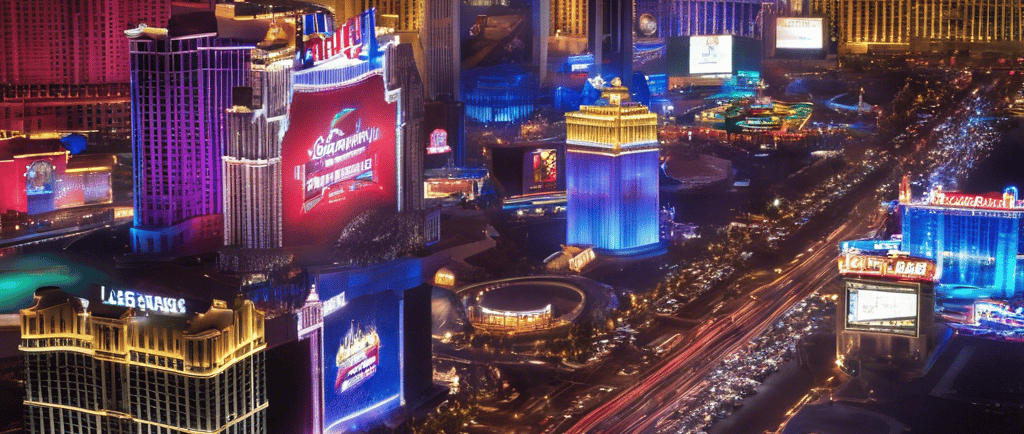
Introduction to LED Displays and Their Importance
LED displays have emerged as a dominant force in visual communication within public spaces, transforming the way information and advertisements are delivered to the masses. Over the past decade, their presence has become increasingly ubiquitous in environments such as malls, airports, city streets, and other high-traffic areas. This surge in popularity is largely attributed to the numerous advantages LED technology offers over traditional display methods.
One of the foremost benefits of LED displays is their exceptional energy efficiency. Compared to conventional lighting and display technologies, LEDs consume significantly less power, making them a cost-effective choice for long-term installations. This reduction in energy use not only contributes to lower operational costs but also supports broader environmental sustainability efforts.
Beyond energy efficiency, LED displays are celebrated for their ability to produce vibrant, eye-catching colors that can captivate and engage audiences. The high brightness and contrast levels typical of LED technology ensure that content remains visible and compelling even in well-lit or outdoor settings. This visual fidelity is crucial for grabbing the attention of passersby and delivering messages with impact.
Another standout feature of LED displays is their capability to showcase dynamic content. Unlike static billboards or posters, LED screens can be updated in real-time, allowing for the continuous rotation of advertisements, announcements, and other informational content. This flexibility enables businesses and organizations to tailor their messages to changing audiences and conditions, maximizing the relevance and effectiveness of the displayed content.
Given these significant advantages, it's clear why maximizing the impact of LED displays in public spaces is essential for both informational and advertising purposes. As we delve further into this topic, we will explore specific strategies and tips to harness the full potential of LED technology, ensuring that these displays not only meet but exceed their communicative objectives.
Optimal Placement for Maximum Visibility
Strategic placement is a pivotal factor in leveraging the full potential of LED displays in public spaces. Properly situated, these displays can captivate a larger audience and deliver impactful messages effectively. To begin, selecting high-traffic areas is essential. Locations such as busy intersections, popular landmarks, and transportation hubs ensure a steady stream of viewers. The analysis of foot traffic patterns helps identify these high-engagement zones. Evaluating the daily movement of people provides critical data, guiding the placement to maximize visibility.
Equally important to location is the consideration of sightlines. Ensuring that the LED display is easily visible from multiple vantage points increases the chances of message retention. Obstructions such as trees, street furniture, or other structures can hinder visibility and should be avoided. Additionally, placing the display at the appropriate height is crucial. Displays that are too low might be obstructed by pedestrians, while those that are too high may miss the viewer's natural line of sight. An optimal height ensures that the display is neither overlooked nor obstructed.
The angle of the display also plays a significant role. Positioning it to face the main flow of foot traffic enhances its visibility and engagement potential. Angled displays or those with an adjustable mount can capture the attention of a moving audience more effectively. Expert recommendations suggest conducting a comprehensive survey of the intended installation area, combining observational studies and technological tools such as heat maps, to ascertain the most effective positioning for maximum impact.
Through meticulous planning and strategic placement, LED displays can become powerful tools for communication in public spaces. These considerations ensure that the display is not merely present but positioned for optimal visibility, engaging a broader audience and achieving the intended communicative impact.
Design Best Practices for LED Displays
When it comes to maximizing the impact of LED displays in public spaces, strong design foundations are crucial. One key principle is the strategic use of color theory. Bold, vibrant hues can grab attention, but it's essential to balance color contrasts to ensure readability. Complementary colors often work best, generating a pleasing visual that highlights key information. Similarly, high contrast between the text and background increases legibility, especially in varying lighting conditions.
Font size and readability are equally important. The font should be large enough to be read from different distances, making it accessible for everyone in the vicinity. Sans-serif fonts are typically more readable on LED displays due to their clean lines. Keep messages succinct to prevent clutter and ensure that the text is easily digestible.
Animations and transitions can add dynamism to content, drawing viewers' attention. However, moderation is key. Overly complex animations can distract and confuse, defeating their purpose. Simple, fluid transitions can make the viewing experience more engaging without overwhelming the audience.
Branding elements also play a significant role in the design of LED displays. Incorporate logos, color schemes, and taglines consistently to create a strong brand identity. This not only boosts brand recognition but also lends a professional touch to the content.
In sum, effective design for LED displays involves a balance of attention-grabbing elements and readability. Thoughtful application of color theory, appropriate font selection, and judicious use of animations can significantly enhance the impact of your LED display, making it a powerful tool for communication in public spaces.
Crafting Engaging and Relevant Content
To maximize the impact of LED displays in public spaces, it is essential to craft content that is not only engaging but also highly relevant to the target audience. Understanding the audience demographics and their preferences is the foundation upon which effective content is built. By tailoring the content to meet the specific needs and interests of the audience, one can ensure higher levels of engagement and interaction.
Content types for LED displays can vary broadly, ranging from advertisements and informational messages to public service announcements and interactive elements. Advertisements should be visually appealing and succinct, capturing the viewers' attention within seconds. Informational messages, on the other hand, need to be clear and direct, providing valuable data or instructions in easily digestible formats.
Public service announcements serve a critical role in conveying important information to the general populace, such as emergency alerts or health advisories. These messages must be designed to be both noticeable and easily understood to ensure timely and effective communication. Among the more innovative content types, interactive elements such as QR codes or touch screen capabilities can foster active engagement, encouraging the audience to participate and interact directly with the display.
To keep content fresh and engaging, it is vital to update it regularly. Stagnant content can lead to audience fatigue and diminished interest. Incorporating seasonal themes, current events, or localized content can significantly enhance the relevance and appeal of the displays. Additionally, real-time updates and dynamic content adjustments based on feedback and metrics can provide a constantly evolving experience for the audience.
In summary, the successful deployment of LED displays in public spaces hinges on the creation of compelling and pertinent content. A profound understanding of the audience, combined with strategic updates and a variety of content types, will ensure that the displays remain a powerful tool for communication and engagement.
Technical Considerations for Performance
Maximizing the impact of LED displays in public spaces hinges significantly on their technical performance. A fundamental aspect to consider is the hardware specifications. High-quality LED modules are essential for vibrant displays. Selecting the right pixel pitch is crucial, as it dictates the clarity and crispness of the imagery. For public spaces where viewers are at varying distances, a tighter pixel pitch can enhance visual appeal. Additionally, ensuring the display has adequate brightness levels to remain visible in diverse lighting conditions is paramount.
Equally important is the software used for content management. A robust content management system (CMS) can simplify the process of updating and scheduling content, ensuring that the display remains relevant and engaging. Look for software solutions that offer a user-friendly interface, real-time monitoring, and seamless integration with other systems. These features can streamline operations and reduce the need for extensive technical expertise.
Preventing common technical issues is another vital component. Pixel burnout and screen flicker can significantly detract from an LED display's effectiveness. Regular maintenance, including software updates and routine inspections, can help identify and address these issues early. Employing redundant power supplies can also mitigate the risk of outages and ensure continuous display operation.
Lastly, ongoing maintenance is critical for sustaining high performance. Periodic cleaning to remove dust and debris is essential for optimal brightness and color accuracy. Implementing a comprehensive maintenance schedule that includes both hardware and software checks will extend the lifespan of the display and maintain consistent performance over time.
By focusing on these technical considerations, public spaces can leverage LED displays to their full potential, delivering dynamic and impactful visual experiences.
Measuring Impact and Continuous Improvement
To fully leverage LED displays in public spaces, it is critical to measure their effectiveness. Key performance indicators (KPIs) such as viewer engagement, conversion rates, and audience reach offer valuable insights into how well these displays are performing. Viewer engagement can be measured by assessing metrics like dwell time—the amount of time viewers spend interacting with the display—and social media mentions or shares. More engaged viewers are likely to have higher recall rates of the displayed information, converting curiosity into tangible action.
Conversion rates, on the other hand, can be measured by tracking actions such as website visits, app downloads, or in-store purchases that are driven by the LED display content. Implementing unique QR codes or specific call-to-action (CTA) prompts can facilitate this tracking. Audience reach is measured by the number of impressions, or the frequency with which the display is viewed. This data can be gathered through manual counting, camera analytics, or sensors embedded within the displays.
Feedback mechanisms play a crucial role in gathering qualitative data. This can include direct feedback collected through surveys, focus groups, or customer reviews. Analyzing this feedback helps to understand audience sentiment and areas for improvement. Combined with quantitative data, this creates a comprehensive view of how impactful the LED displays are.
Analytics tools are indispensable for aggregating and interpreting data. Software platforms can deliver real-time insights and detailed reports, highlighting trends and pinpointing areas that need adjustment. For instance, heat mapping can visualize which sections of content receive the most attention, enabling targeted enhancements.
Based on the gathered data, strategies for continuous improvement can be formulated. Iterative testing of different content types, visual formats, and placement positions will help to optimize the display’s impact. Regular updates and adaptations ensure that the content remains relevant and engaging. By effectively measuring impact and employing continuous improvement strategies, the potential of LED displays in public spaces can be maximized, leading to sustained viewer interest and higher conversion rates.